What Is a Rug Pull and How Does It Work in Crypto Trading
· based on the channel New brand channel
A rug pull is a deliberate crypto scam engineered to defraud investors by abruptly withdrawing liquidity or abandoning a project, leaving holders with worthless tokens. These scams are not random hacks but carefully designed exit strategies embedded in the smart contract code and tokenomics from launch. Understanding rug pulls is crucial for anyone trading meme coins or new tokens, especially on platforms like Solana, where such scams are prevalent.
The first step to recognizing a rug pull is to analyze the tokenomics and liquidity setup. Scam creators rig total token supply and emissions to maximize the price pump before the final dump, often called "engineered tokenomics." Liquidity pools might appear locked or safe, but they frequently hide backdoors or dependencies that allow developers to drain funds at will.
You can explore tools and resources to detect these scams, such as the website launch-tool.org, which offers insights and tools for launching and analyzing tokens.
How Rug Pulls Are Engineered Through Tokenomics
Rug pulls rely heavily on tokenomics designed to create an illusion of value and growth. The creators allocate large amounts of tokens to themselves or controlled wallets, allowing them to manipulate emissions and supply gradually. This artificial inflation supports a pump-and-dump cycle:
- Initial hype drives purchases from unaware investors.
- Token supply is emitted strategically to inflate price.
- When the token price peaks, developers execute the exit by dumping their holdings.
This engineered manipulation ensures maximum profits for scammers but leaves ordinary investors holding worthless tokens.
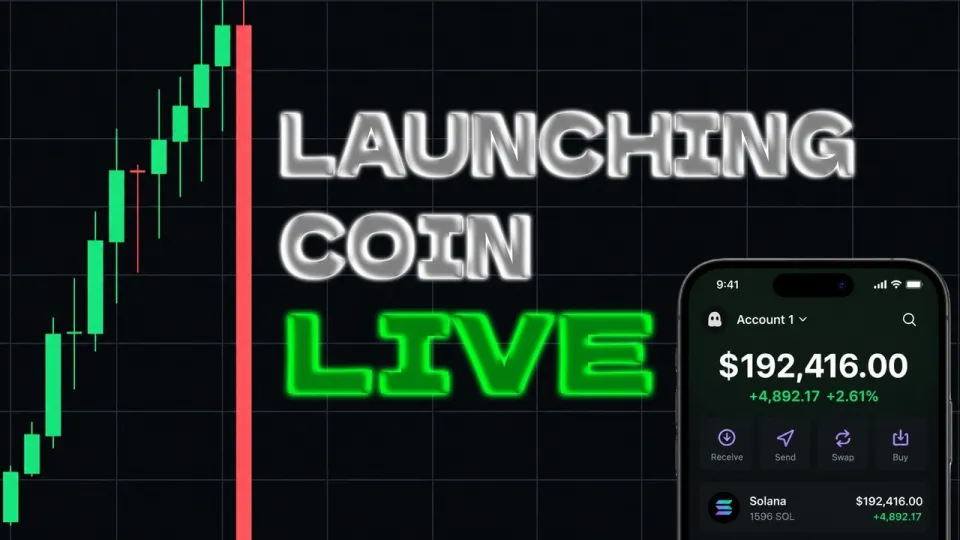
Video: Rug Pull Guide How to Launch a Meme Coin Step-by-Step
Liquidity Pool Illusions and Hidden Risks
Liquidity pools provide the foundation for trading tokens on decentralized exchanges (DEXs). Rug pull scammers exploit this by creating fake liquidity pools that appear locked or secured:
- Pools may be "locked" using time-lock contracts that can be bypassed with admin keys.
- Liquidity is sometimes dependent on external contracts or tokens controlled by the scammers.
- Developers retain the ability to remove liquidity entirely, causing the token price to crash instantly.
These illusions give investors a false sense of security, making them vulnerable to sudden liquidity withdrawal.
Admin Backdoors and the Kill Switch Mechanism
Smart contracts behind rug pull tokens often include hidden admin backdoors disguised as benign features. These backdoors grant developers capabilities such as:
- Pausing trading or transfers at will.
- Modifying token balances or minting new tokens.
- Removing liquidity or changing contract parameters remotely.
The "kill switch" logic stays dormant while the token gains TVL (Total Value Locked) and popularity, only activating when the scammer decides to exit. This strategic delay maximizes profits before collapse.
Forensic On-Chain Analysis for Early Detection
Detecting rug pulls before they happen requires detailed on-chain analysis. Key red flags include:
- High concentration of tokens in a few wallets.
- Unusual token emission schedules or sudden large transfers.
- Discrepancies between locked liquidity claims and actual contract permissions.
- Frequent contract updates or suspicious admin activity.
Investors and security researchers use these indicators to avoid becoming exit liquidity.
Common Questions and Misconceptions About Rug Pulls
Many traders confuse rug pulls with random hacks or failed projects, but rug pulls are deliberate scams planned from the start. Some believe that locked liquidity guarantees safety; however, rug pull tactics often exploit vulnerabilities in the locking mechanisms. Understanding these nuances helps investors navigate the risky meme coin market with more caution.
Useful Links
- launch-tool.org — Tools and educational resources on token launches and rug pull detection.
Conclusion
Rug pulls represent a major threat in crypto trading, especially in the meme coin niche. They are carefully engineered scams that manipulate tokenomics, liquidity pools, and smart contract permissions to maximize scammer profits. By learning to identify key patterns and red flags, investors can protect themselves from becoming exit liquidity. The detailed breakdown from the New brand channel offers invaluable insights into the architecture of these scams. For further practical tools and guides, visit launch-tool.org.
Key takeaways
- A rug pull is a planned crypto scam where developers exit with investor funds.
- Scam meme coins use engineered tokenomics to maximize final dumps.
- Fake liquidity pools often appear locked but contain hidden backdoors.
- Admin backdoors allow full control despite seemingly safe contracts.
- Forensic on-chain analysis can reveal red flags before a rug pull occurs.
Source: Rug Pull Guide How to Launch a Meme Coin Step-by-Step · Markdown version
Questions & answers
What exactly is a rug pull in cryptocurrency?
A rug pull is a scam where developers create a token or project and then suddenly withdraw all liquidity or abandon the project, causing the token's value to collapse and leaving investors with worthless assets.
How do scammers use tokenomics to orchestrate a rug pull?
Scammers manipulate token supply and emission schedules to inflate the token price artificially. They control large token reserves to pump the price and then dump their holdings at a peak, ensuring maximum profit before the crash.
Can locked liquidity pools guarantee protection against rug pulls?
No, locked liquidity pools can be deceptive. Scammers often hide admin backdoors or dependencies that allow them to bypass locks and remove liquidity despite appearing secured.
What are the signs to look for to detect a potential rug pull?
Signs include a high concentration of tokens in developer wallets, unusual token emissions, suspicious smart contract permissions or admin controls, and inconsistencies in liquidity locking mechanisms. Conducting forensic on-chain analysis helps identify these red flags early.